

Pregnancy is a magical time, but let’s be honest, it can also be a little uncomfortable. Muscle cramps, insomnia, and backaches often sneak their way in, especially as your bump grows. That’s where magnesium cream in pregnancy can be a game-changer.
Used by midwives, doulas, and expecting mums across Australia, magnesium cream offers a gentle, natural way to support sleep, reduce muscle tension, and promote calm during all stages of pregnancy. In this article, we’ll explore how magnesium creams work, when to use them, what to look out for when choosing one, and what to pack for comfort throughout your pregnancy journey.
What Is Magnesium Cream and Why Is It Useful in Pregnancy?
Magnesium is an essential mineral that supports over 300 bodily functions, including muscle function, nerve regulation, and sleep quality. During pregnancy, your body’s demand for magnesium increases to support your growing baby, regulate hormones, and reduce common pregnancy complaints like:
-
Leg cramps and restless legs
-
Difficulty sleeping or staying asleep
-
Anxiety or heightened stress
-
Tight, sore shoulders or back pain
A magnesium cream delivers this mineral topically, meaning it's absorbed through the skin rather than the digestive system. This can be a gentler alternative to supplements, especially for mums who are already taking prenatal vitamins or have sensitive stomachs.
According to Body Bio, magnesium may help relieve muscle cramps and improve overall comfort during pregnancy.
How Magnesium Cream Works
Magnesium creams are typically made using magnesium chloride, known for its high absorption rate. When you massage the cream into your skin, it begins to absorb into the bloodstream, bypassing your digestive tract and delivering targeted relief.
Think of it like a relaxing mineral massage, but with real benefits.
Key Benefits of Using Magnesium Cream During Pregnancy:
-
Relieves muscle aches (especially in the calves, shoulders, and lower back)
-
Reduces night-time leg cramps and tingling
-
Supports deeper, more restful sleep
-
Promotes relaxation by calming the nervous system
-
Soothes the skin when combined with nourishing ingredients like shea butter or almond oil
Unlike oral supplements, magnesium cream doesn’t usually cause side effects like upset stomach or diarrhoea making it a gentle option for sensitive tummies.
When to Use Magnesium Cream in Pregnancy
There’s no one-size-fits-all answer, but many mums find magnesium cream most helpful during:
Bedtime
Apply magnesium cream to your calves, feet, shoulders, or lower back before bed to promote muscle relaxation and deeper sleep.
After Showers
Warm skin absorbs magnesium more effectively. After a warm shower, massage the cream in for extra absorption and a calming ritual.
After Long Days
Been on your feet all day? Use magnesium cream to ease swollen legs, achy hips or back tension—especially in the third trimester.
During Restless Periods
If you’re struggling with restless legs syndrome (RLS), a common pregnancy complaint, magnesium cream can help calm the twitchiness and bring relief.
For more natural approaches to RLS, visit Healthline.
What to Look For in a Pregnancy-Safe Magnesium Cream
Not all creams are created equal, especially when you're expecting. Here's what to check before you buy:
-
Pregnancy-safe ingredients: Avoid artificial fragrances, parabens, or harsh chemicals. Look for plant-based, nourishing additions like shea butter, sweet almond oil, and vitamin E.
-
High-quality magnesium chloride: This is the most easily absorbed form and is gentle enough for daily use.
-
Non-greasy texture: You want something that melts into the skin, not something sticky that lingers on your sheets.
-
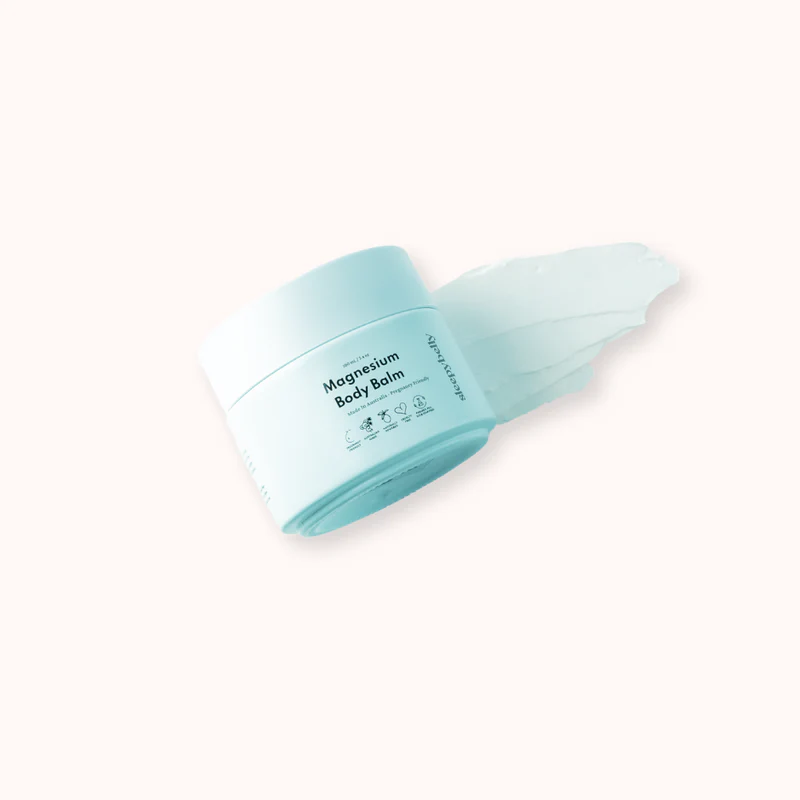
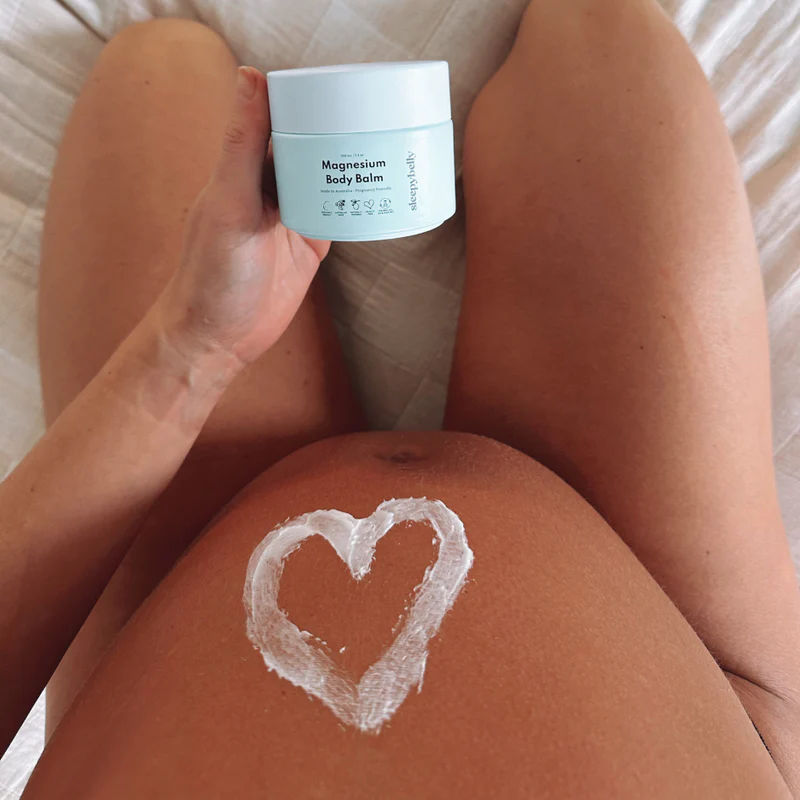
Locally made & tested: Aussie-made products like the Sleepybelly Magnesium Body Cream are crafted with pregnancy in mind, so you know you're in safe hands.
What to Pack in Your Pregnancy Comfort Kit (Including Magnesium Cream!)
Whether you’re in your second trimester or packing your hospital bag, here’s what to include for those ahh-level comfort moments:
-
Magnesium Body Cream – A bedside staple for sleep support and muscle relief
-
Pregnancy Pillow – Like the Sleepybelly Pillow, designed to reduce hip and back pain
-
Compression socks – To improve circulation on long days or flights
-
Soothing lip balm & hand cream – Hormonal shifts can make skin feel dry
-
Hydration support – A good quality water bottle or coconut water for electrolyte balance
-
Essential oil roller – A natural way to manage nausea or stress (check they’re safe for pregnancy)
-
Breathable loungewear or pyjamas – Like our Three-Piece Maternity Pyjamas for stretch, softness and support.
Can You Use Magnesium Cream While Breastfeeding?
Absolutely, provided it’s a pregnancy and breastfeeding-safe formula (always check the label). In fact, many mums find magnesium cream continues to be helpful post-birth to support:
-
Shoulder and neck tension from breastfeeding
-
Sleep deprivation
-
Anxiety or restlessness
-
General muscle recovery
It’s a beautiful way to wind down during the chaos of new motherhood—without adding another pill to your routine.
Final Thoughts
Pregnancy is full of surprises, but comfort doesn’t have to be elusive. A simple product like magnesium cream can make a real difference, offering natural, soothing support for sore muscles, sleepless nights, and daily tension.
So whether you're 12 weeks in or counting down the final days, having a tube of magnesium cream in your bag (and by your bed) is one of those little things that makes a big impact.
Explore our Sleepybelly Magnesium Body Cream and give your body the gentle support it deserves.


